
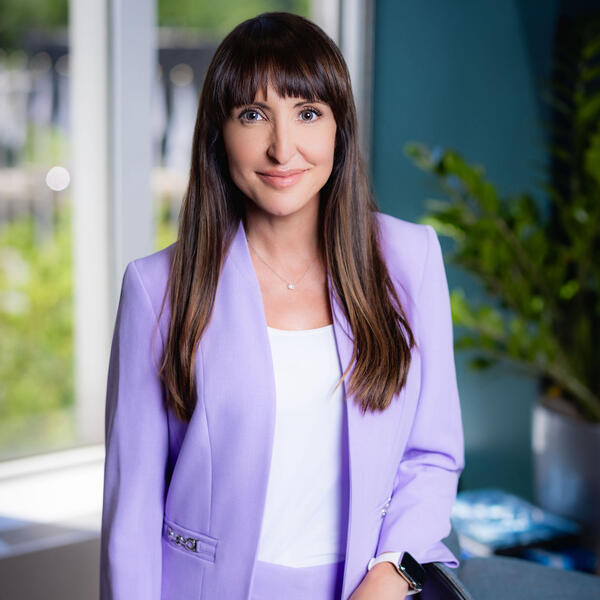
Erika Ostrander, Ph.D., LCPC
Credentials & Education
MA, Clinical Counseling, Illinois School of Professional Psychology
MS, Counseling Education, Winona State University
About
Dr. Ostrander is a licensed clinical professional counselor with over 20 years of experience supporting individuals through life transitions, emotional challenges, and trauma recovery. A trauma-informed and culturally sensitive therapist, Dr. Ostrander is deeply committed to helping clients reconnect with their inner strengths, process complex emotions, and foster meaningful growth. Her approach is warm, inclusive, and collaborative—grounded in the belief that healing happens in safe, trusting relationships.
As a Latina immigrant, Dr. Ostrander’s personal and professional journey has been shaped by resilience, cultural identity, and a deep respect for the human capacity to heal. She integrates this perspective into her clinical work, empowering clients to explore their narratives with compassion and a sense of curiosity.
Dr. Ostrander’s therapeutic style is holistic and relational, drawing from a rich set of evidence-based modalities including Eye Movement Desensitization and Reprocessing (EMDR), Internal Family Systems (IFS), psychodynamic and relational therapies, mindfulness practices, and ego state/parts work. She specializes in working with complex trauma, dissociation, anxiety, depression, mood disorders, and intergenerational or family-of-origin issues. She is particularly passionate about guiding clients in exploring protective parts that guard against shame and vulnerability, using an IFS-informed lens to foster Self-leadership, balance, and connection.
Dr. Ostrander earned her doctoral degree in Counselor Education and Supervision from Adler University, where her dissertation focused on EMDR modifications for bilingual clients. She holds a master’s degree in Counseling Psychology from the Illinois School of Professional Psychology and a bachelor’s degree from Winona State University. She is EMDRIA-certified in EMDR and trained in Internal Family Systems at Level 2. Her clinical and research interests include complex trauma, cultural identity, bilingual therapy, endurance athletes, women’s mental health, and the integration of culturally responsive care.
Outside the therapy room, Dr. Ostrander is a dedicated endurance athlete who finds clarity, strength, and balance through running, biking, swimming, and rock climbing. These passions enhance her well-being and therapeutic presence, grounding her in the values of perseverance, mindfulness, and connection to nature.
Area of Focus
Publications & Presentations
Baldwin, A. E., Hayes, N., Ostrander, E., Magri, R., Sass, N., dos Anjos Mesquita, M., ... & Fleming, M. (2020). Phosphatidylethanol levels in postpartum women and their newborns in Uruguay and Brazil. Alcoholism: Clinical and Experimental Research, 44(6), 1292-1299.
Hayes, N. A., Baldwin, A. E, Magri, R., Ostrander, E., Smith, M., & Fleming, M. (2019). Limitations of Nail and Hair Ethyl Glucuronide (Etg) Levels to Assess Maternal Alcohol Use. Drug Depend Addict, 1, 19-25.
Fleming, M. F., Smith, M. J., Oslakovic*, E., Lucey, M. R., Vue, J. X., Al‐Saden, P., & Levitsky, J. (2017). Phosphatidylethanol detects moderate‐to‐heavy alcohol use in liver transplant recipients. Alcoholism: Clinical and Experimental Research, 41(4), 857-862.
Oslakovic* Previous Married name